Will you soon hear the phrase, “That doesn’t compute,” from your help desk? Even though Elon Musk’s Optimus wants you to think so, it’s not likely. Where are things with robotics and AI in business technology?
Manufacturing was one of the first industries to use robots. Robots toil in most manufacturing processes, including automotive and electronics. In China, they help assemble phones, computers, gaming consoles, and tablets.
Amazon uses all types of robots to run its vast warehouses. There are four main types of robots, each best suited for specific jobs. Their designations are Articulated, SCARA, Delta, and Cartesian.
If you’re a manufacturer needing robots, explore each designation to see how well it fits your business processes. Robots are best at dull or dangerous jobs; choose a human for complex work.
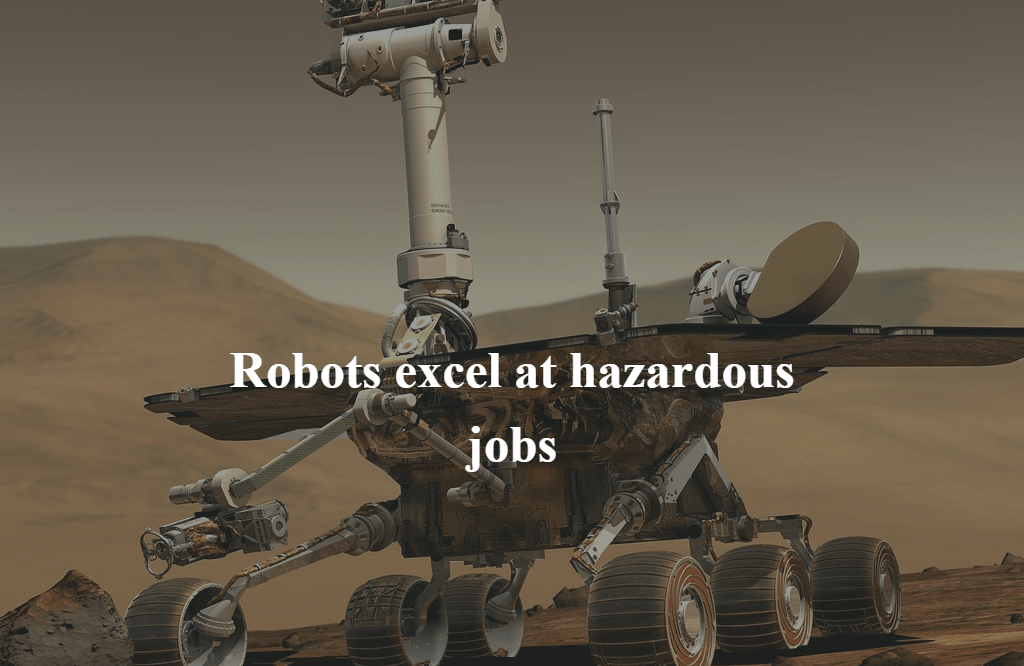
Robots excel at inspections, real-time data analysis, and hazardous tasks. Does your business need a robot and a human to work together? Consider a “cobot” or collaborative robot.
Robot manufacturers are building generative AI interfaces so users can program the robot without requiring unique code. Service robots lend a hand in healthcare and retail. One of the most common uses for robots is the transportation of all sorts of items.
In healthcare, robots transport lab samples and restock supplies. Teladoc robots connect doctors with patients by rolling into rooms. Disinfection robots clean hospitals day and night.
Hotels use robots to deliver linens and cleaning supplies. Robots help airports stay clean, handle baggage, and pinpoint maintenance issues. They free up your staff to address critical problems and perform essential tasks.
Author: Kris Keppeler is a writer who finds technology fascinating and loves humor. She writes on Medium.com. She is also an award-winning podcast producer who enjoys telling funny stories. Follow her on X (formerly Twitter) @KrisNarrates or on LinkedIn.

 Small Business Solutions